Daily Movement

Since I have been eating a ‘low-carbohydrate and low sugar’ diet in the past three months, I no longer physically crash in my living room couch by 2 p.m. or have cravings for bread or dessert. I never knew this would be possible.

The best news ever … I have energy for a 2-mile outdoor walk mid-afternoon.

There was an afternoon breeze today in Stone Creek today!” Adriana

Leah Carver, a health coach, acknowledged the value of one’s energy level in her book titled, “Undoing Hashimoto’s: A Guide to Managing Symptoms, Relieving Overwhelm & Living Well”. Carver considers our energy level to be the most critical commodity in our lives. I completely agree with her.

Leah Carver highly recommends for us to pace ourselves daily. By pausing and resting during the day, our bodies rejuvenate, and the stress hormones remain in-check.

Since I have been taking frequent breaks during the day, mid-morning & mid-afternoon, I am continuously building up the energy reservoir. I now have more energy to accomplish relevant tasks at work and at home effortlessly.

I added a new cycle to my daily rhythms of Hashimoto living. I am taking frequent breaks during the day, engaging in a relaxing activity (e.g., journaling, reading, listening to worship music, piano playing) at sunrise, taking a 20 minutes’ walk mid-afternoon or after lunch to regulate glucose levels, and building the energy along the way.

If we do not take time to unwind throughout the day, our energy account will be depleted by daily stressors. If our bodies are stressed, we will then release the stress hormone, cortisol. High amounts of cortisol in our bodies will contribute to the following: Adrenal gland fatigue, weakened immune systems, disrupted sleep patterns, irregularities in our sex hormones (e.g., low libido, irregular menstrual cycles) and changes in mood (e.g., anxiety and depressive episodes). Just to name a few issues!

Let us break the cycle of stress and regulate cortisol levels daily.

(Note, this is health information, not health advice)

Twelve Markers on a Thyroid Panel

I was hearing a podcast a couple of weeks ago and learned more about the twelve markers on a thyroid panel. There are more than twenty-two types of dysfunctions of the thyroid when a thyroid panel is done.

These markers are the following:

a) TSH,

b) Total T4,

c) Total T3,

d) Free 4,

e) Free 3,

f) T3 uptake,

g) Free Thyroxine Index (FTI),

h) Thyroid-Binding Globulin,

i)TPO antibodies,

j) Thyroid Globulin antibodies,

k) Reverse T3, and

l) Thyroid Stimulating Immunoglobulin.

When I was diagnosed with Hashimoto condition, the functional medicine provider had requested the TSH, T3, T4, TPO antibodies and the Thyroid Globulin antibodies. If I’m not mistaken, the Hashimoto’s markers are both the TPO antibodies and the thyroid globulin antibodies.

It is my understanding that a great deal of people may be diagnosed with hypothyroism but traditional doctors may or may not test for Hashimoto condition.

Since our thyroid is being attacked and possibly getting destroyed by our own immune system, we definitely need to explore the triggers, the root, driving the Hashimoto condition. Exploring the triggers take time, intention and focus. For instance, I had a couple of flare-ups this past week… digestive issues (e.g., bloating, irritable bowel distress) to allergies (e.g., food sensitivities perhaps).

I plan on requesting a ‘Food Sensitivity Test’ in my next medical consultation.

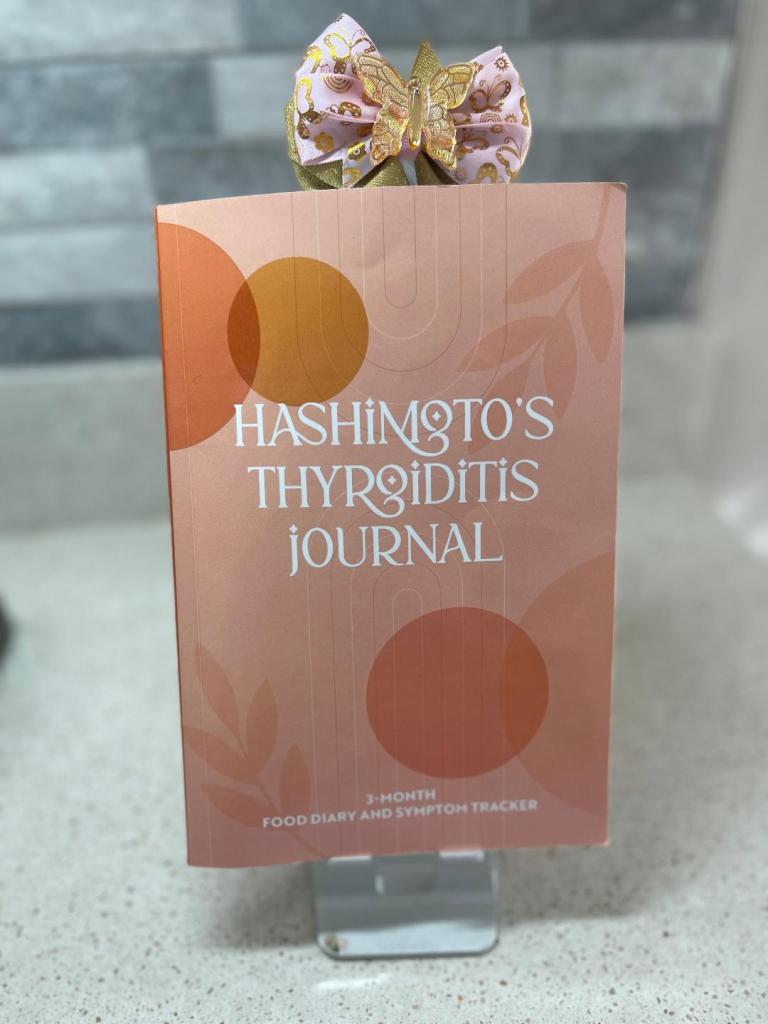
Keep a journal! Write everything down.

(Note, this is health information, not health advice)

Impact of Lifestyle Changes

The holiday season is fast approaching! I cannot believe Thanksgiving is next week. Typically, we are eager to make New Year’s resolutions. I am the first one to admit that these New Year’s resolutions do not last for more than one or two months.

When we are making environmental and lifestyle changes, let us be realistic. Daily changes can overwhelm us indeed. We may quit altogether if we are stressed. High level of stress will release the stress hormone, cortisol; this hormone will have an impact on our adrenal glands. Personally, I have been recovering from adrenal gland fatigue in the past three months. Recent lifestyle changes have made an impact! I no longer crash on my living room couch by 2 pm. I have the energy to walk 2 miles after lunch.

Let us be patient and kind to ourselves when we are establishing new habits.

This is my timeline in stacking new habits to my daily rhythms of wellness. I am a visual learner so here you go! I hope you find it helpful.

(Note, this is health information, not health advice)
No Need to Search

I witnessed how both of my parents embraced debilitating diseases over the decades. They both had a good fight until their last breath. Dad faced Parkinson’s disease like a champion and mom persevered through the ‘ups and downs’ of Alzheimer’s disease like a true pioneer. Both of them never gave up. As a matter of fact, they were both reunited recently for an eternity.

Since my most recent autoimmune diagnosis, physical health is top priority!

I am saying ‘no’ to environmental toxins moving forward.

In the past two months, I changed all my toiletries, cosmetics and household items to paraben free items. I minimized the amount of toxins in my personal space, body and environment. Clean products promote stronger immune systems indeed. I searched for paraben and gluten-free items on amazon every day until I replaced all consumable items in my house.

Yes, the search took time, diligent effort and focus.

I realized the biggest organ we have is our ‘skin’. Be mindful of the products you use. I see the benefits of clean products today. When using clean products, the first benefit is that the products we use on a daily basis won’t be taxing our immune system.

I am trusting in Jordan Essentials today! These products are paraben, talc, aluminum, gluten, mineral oil and phthalate F-R-E-E.

Subscribe for updates about these clean products at Rhythms4Wellness.JordanEssentials.com

Not Ready 2 Quit

Since I’m not ready to quit drinking coffee, I searched for alternative products and reduced the amount of coffee each day. I used to drink a total of 24 oz. a day (12 oz. in the mornings and 12 oz. in the afternoons). I am now drinking 16 oz or less. My next goal is to drink coffee in the mornings (8 oz. or less) and skip the afternoon break.

New habits take intention, commitment, focus, and time.

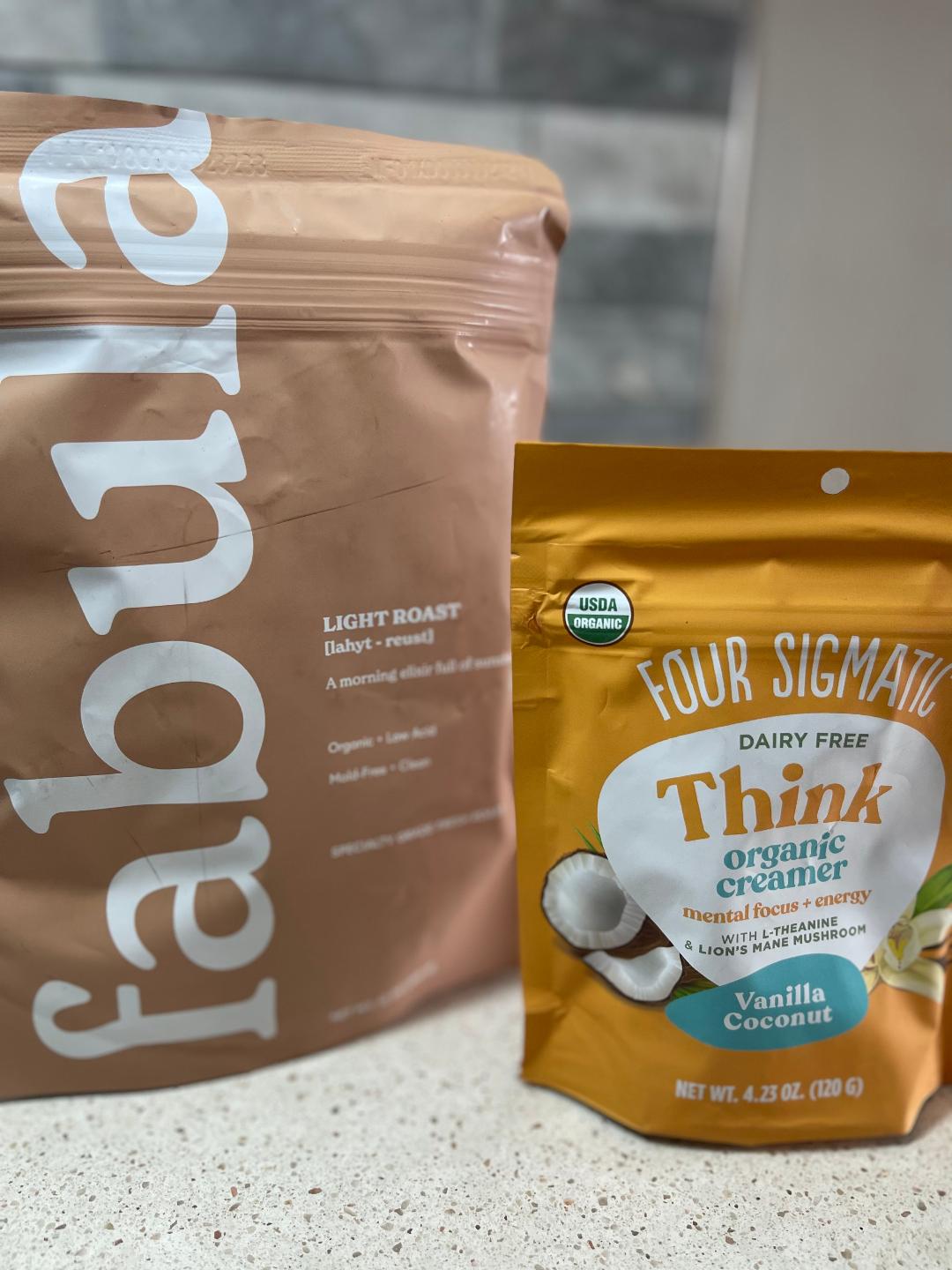
I no longer drink the original blend from Dunkin’ yet I am still keeping the Lite Coffee mate. Honestly, I did not enjoy the taste of the organic creamer. I would encourage y’all to try new products and assess what works best for you.

The Fabula Coffee, light roast, freshly ground is organic. It has low acid, is non-GMO, does not contain any chemicals, and it is mold free (less toxins for our bodies). It is perfect for coffee lovers who have an autoimmune condition.

I recently learned the negative impact of coffee among patients with Hashimoto Thyroiditis. It may interfere with the absorption of thyroid medication (e.g., Levothyroxine). Coffee also has an impact on our heart rate, metabolism, wakefulness, and adrenal gland.

Did you know coffee disrupts the regular rhythms of cortisol? Personally, I need to decrease the amount of coffee so I can address the adrenal gland fatigue in Hashimoto Thyroiditis. I know I have been under chronic stress for way too long due to career pursuits, most recent relocation and other psychosocial stressors. Drinking coffee will trigger the ‘fight or flight’ response in our bodies leading to higher levels of cortisol release. The cortisol release will then contribute to adrenal gland fatigue. It is definitely a vicious cycle in my opinion!

It is time to reduce the level of stress and the amount of coffee I drink

so, the adrenal gland can get quality ‘rest’ and maintain regular rhythms of cortisol.

Cooler Temperatures

Prior to my diagnosis of Hashimoto Thyroiditis, I was only sleeping approximately 5 hours/night. I would wake up tired, irritable ‘cranky’ and sometimes overly stressed. My body was under significant distress … joint & muscle acute pain was an everyday, debilitating experience.

I was miserable!

The body needs the rest and most importantly it needs ‘quality’ sleep at night. A ‘good night sleep’ means we sleep for at least seven hours each night. This is the recommended amount of sleep for us, the adults. This is how our bodies detoxify and heal overnight.

The benefits of sleep are multiple. It improves mood, promotes a healthy heart, regulates blood sugar, improves mental function including memory, restores immune system, manages stress, and decreases cravings or hunger. We are born to heal.

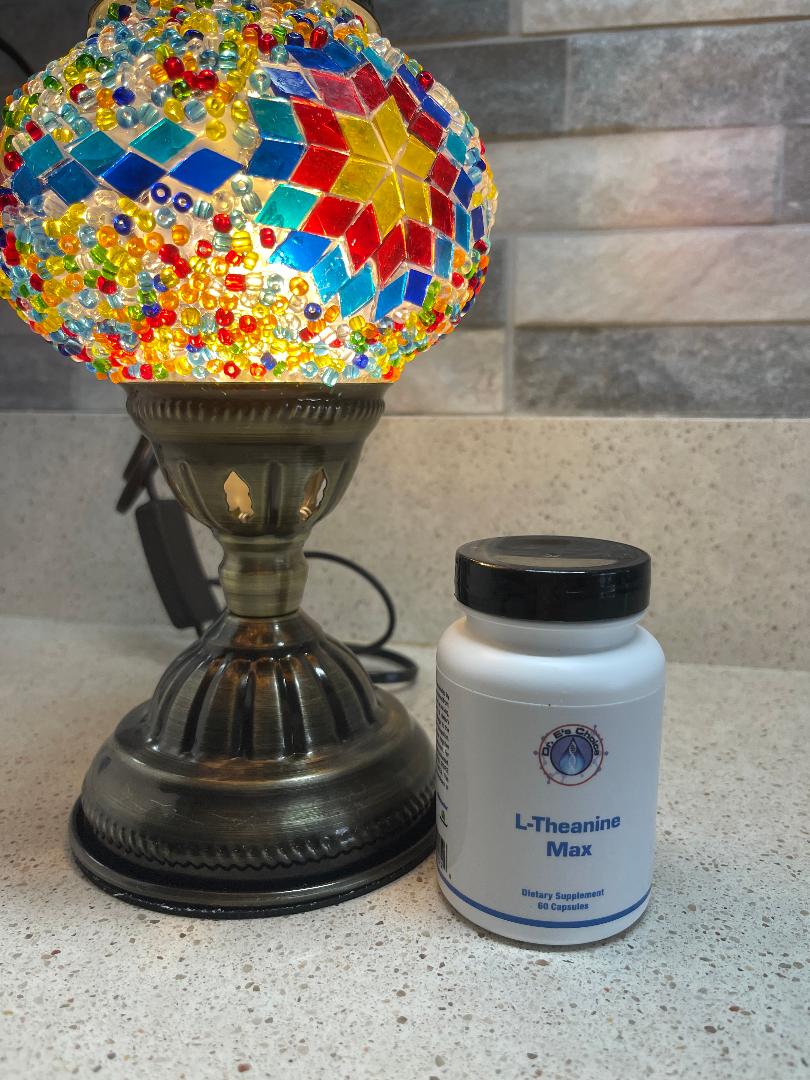
My medical provider suggested a supplement, L-Theanine Max, to improve my sleep pattern; however, it only relaxed me at bedtime. But it did not keep me asleep all night.

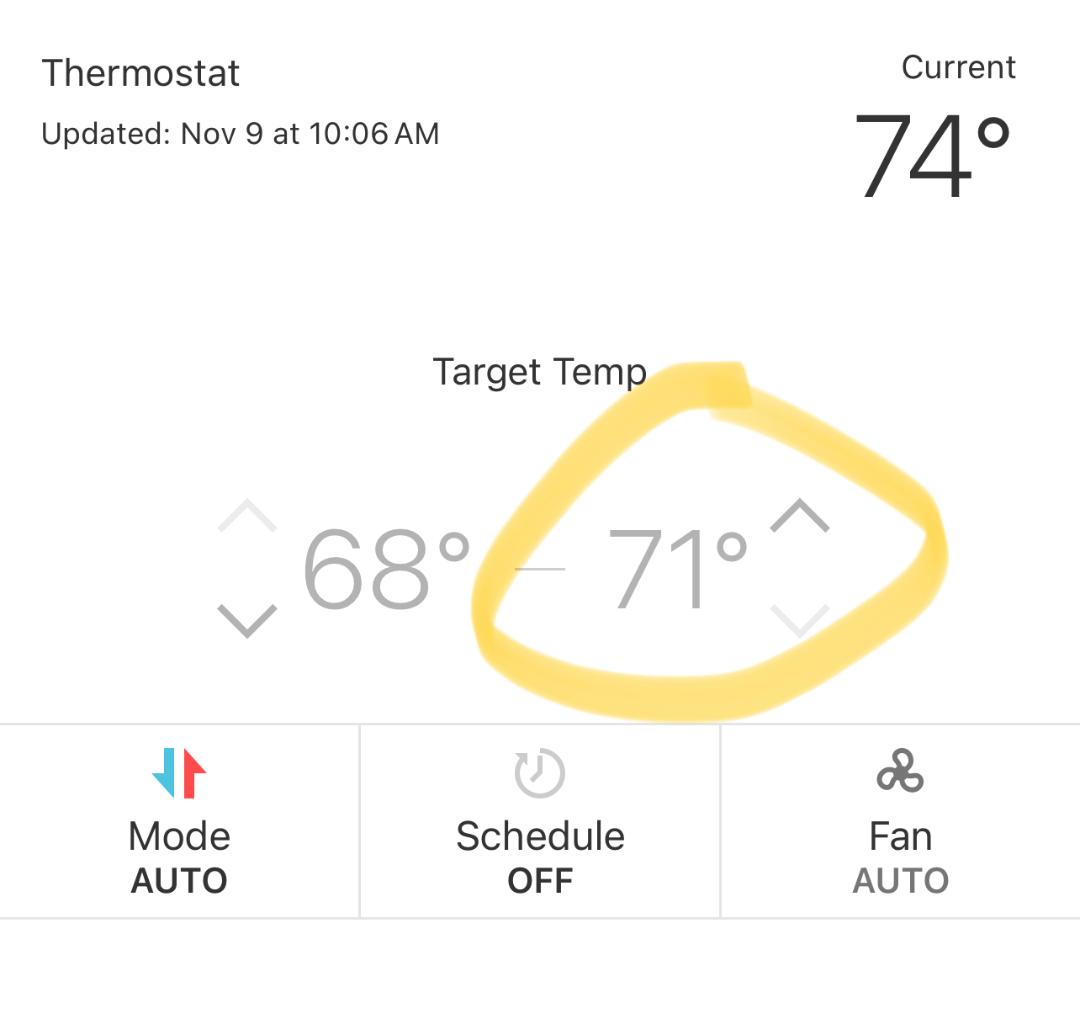
The game changer was to drop the A/C temperatures to 71 degrees. Yes! it may increase the electricity bill. The benefits of quality sleep outweigh the higher costs of utility bills. I now fall asleep within 10 minutes and sleep all night. I am able to wake up refreshed and rejuvenated after 8 or 9 hours of sleep at night. Most importantly, I know my body is healing today.

Other strategies to consider may include maintaining a consistent sleep routine, limiting the exposure to light including the ‘blue’ light from television, phone, or computer screens. In addition, consider wearing light-blocking glasses to protect from the blue light of electronics, limiting caffeine products or water at bedtime, avoiding action-oriented television shows or movies that trigger the ‘fight-or-flight’ response, and wearing comfortable & light clothes Lastly, I am adding one or two stress-reduction strategies (e.g., meditation, reading a fiction book, breathing exercises, prayer) 30 minutes prior to bedtime. I want to ‘be ready’ for a good night sleep.

(Note, this is health information, not health advice)
New Rhythms in Baking

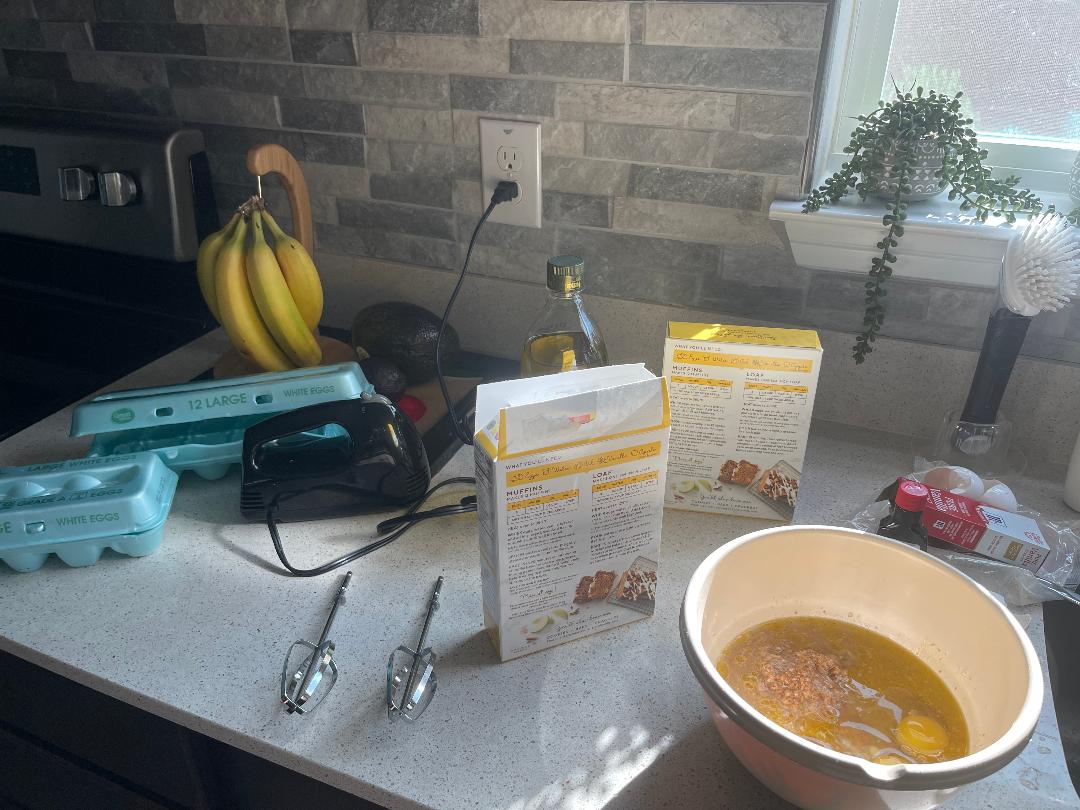
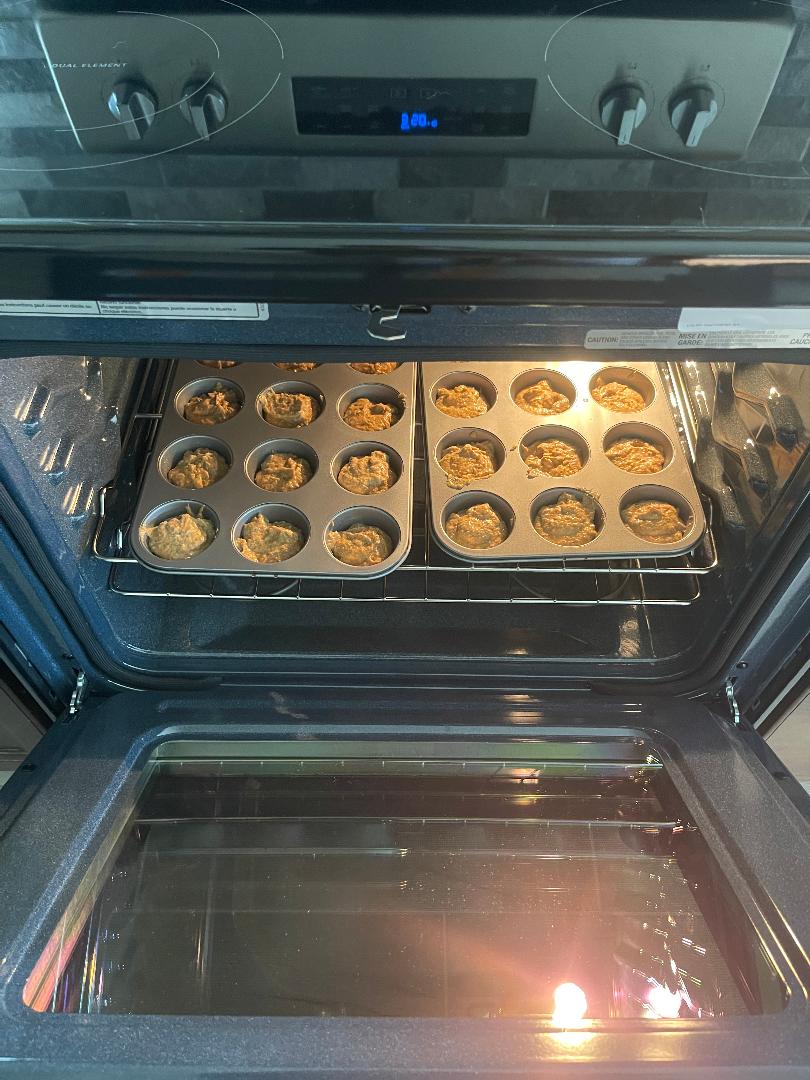
I don’t like to cook, but I love to bake muffins!

Prior to the medical diagnoses, I used to eat peanut butter crackers every morning. Yes, it was easy, convenient and did not have to open the refrigerator to pull out any ingredients. I did not spend much time in the kitchen either. When we have fast-paced lifestyles, we tend to grab the first thing we like and move on to the next task in our ‘to do’ list.

Cooking and baking ‘gluten-free’ recipes take time. We have to be intentional in choosing tasty recipes, shopping for selected ingredients and investing time in preparing and baking.

Healthy meals or bakery goods take time.

It is an investment.

Good health is priceless.

I knew I needed to maintain a low carbohydrates diet. I also knew the changes in lifestyle needed to be practical, tasty and sustainable.

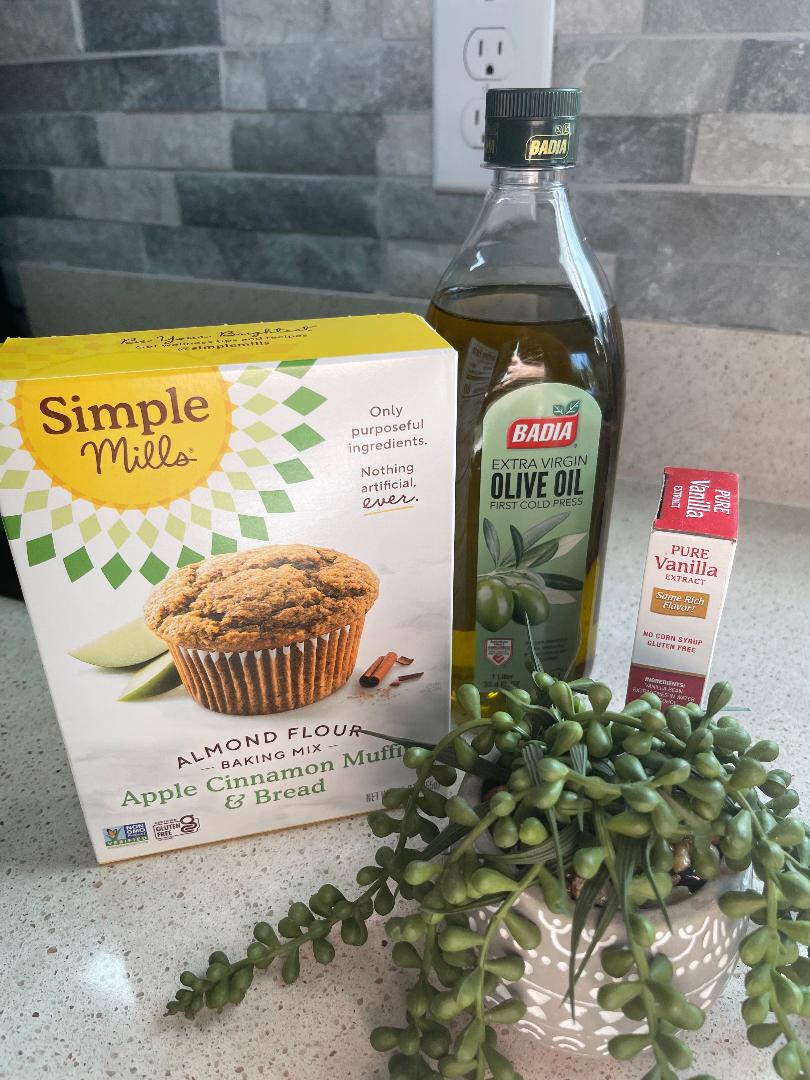
I love muffins so I quickly searched Amazon for ‘gluten-free’ products. I quickly was able to replace the peanut butter crackers with Apple Cinnamon, the Pumpkin or the Banana Muffins by Simple Mills. These products are gluten-free, plant-based, grain free, corn free, dairy free, gums/emulsifiers free, and paleo friendly.

The banana muffin has 3 grams of total fat, 15 grams of carbohydrates, and 2 grams of protein. Each muffin only has 80 or 90 calories.

Just arrived today! I cannot wait to use it this weekend.

Hopefully, I won’t encounter any food sensitivities with these products in the future!

Low Carb Diet

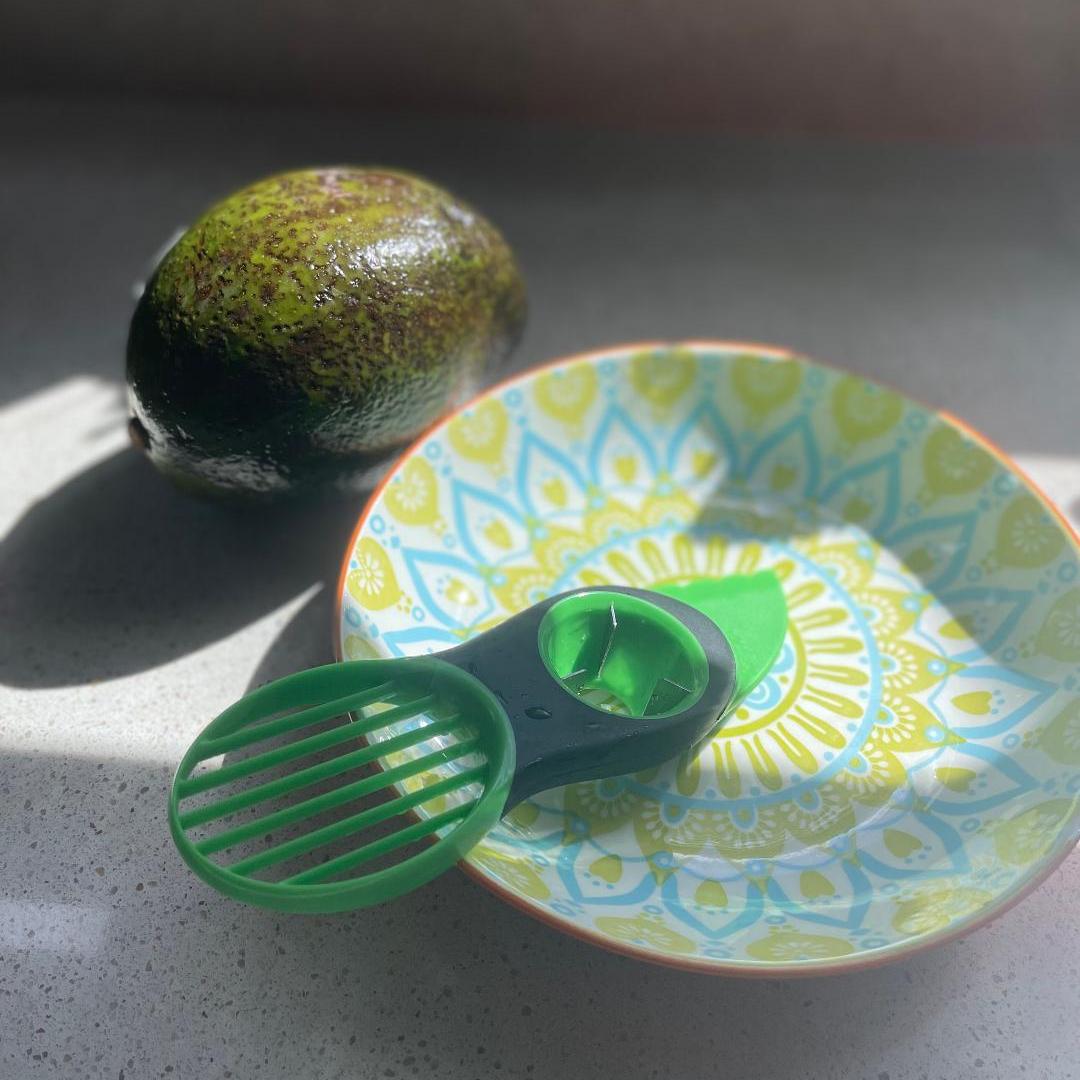
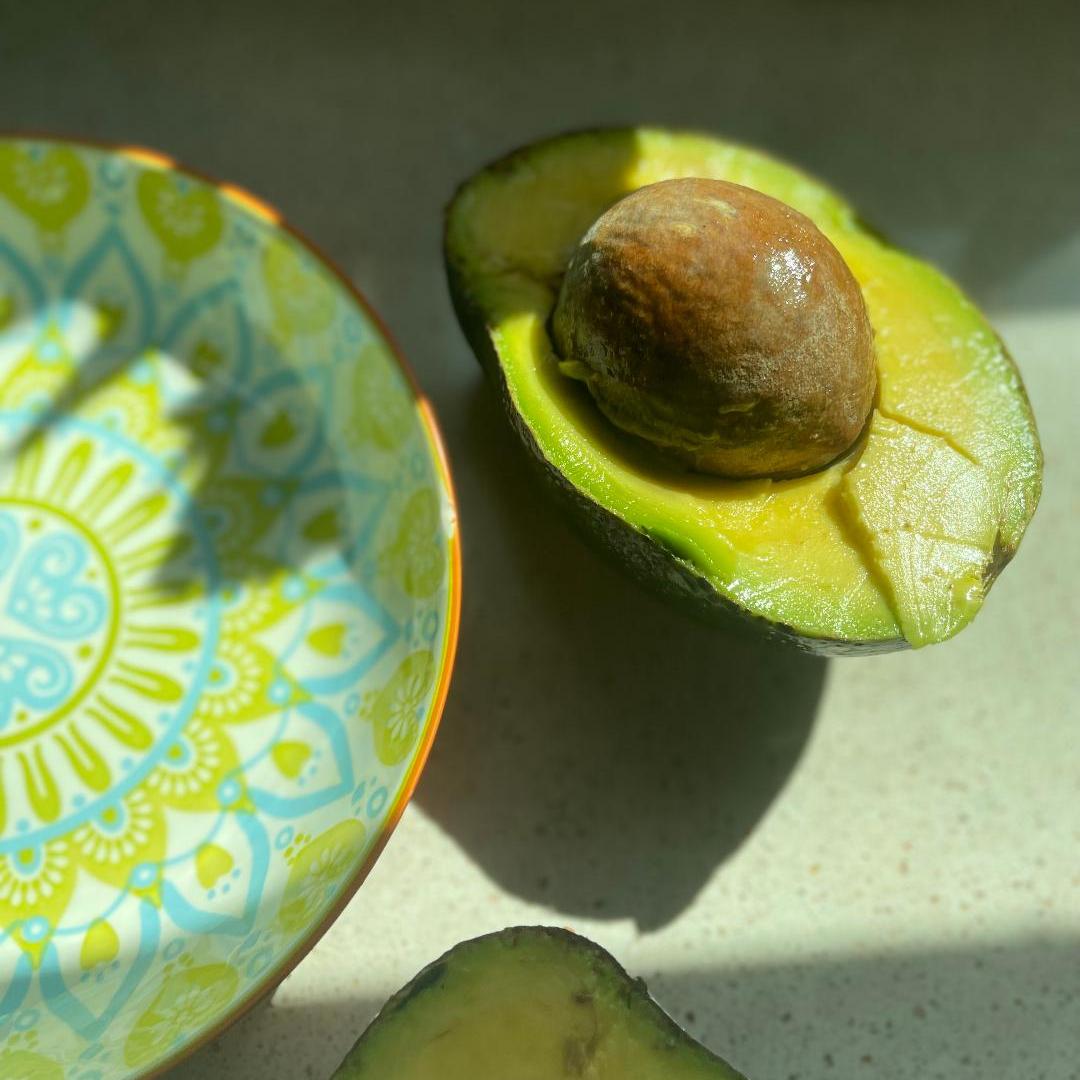
Did you know Avocado has multiple vitamins? It is a monounsaturated fatty acid or oleic acid full of nutrients including Vitamin K, C, B5, B6, E and Folate. It has more potassium than bananas. Avocado also has a high content of fiber. It helps with gut dysfunction and detoxification. It is also a soluble fiber that acts as prebiotic and improve gut microbiome.

By lowering the amount of carbohydrates each day, cellular inflammation decreases over time. Cholesterol and triglycerides will also improve significantly.

I have never been intentional about my nutrition until now.

We are never too old to change our habits either. Most importantly, we are never too old to improve the ways we care for ourselves. I know I neglected myself for over four decades.

Since I have been on this new health journey, I no longer have cravings for sugar or carbohydrates. I never knew this would be possible. The more carbs I would eat, the more carbs my body craved for. It was a vicious cycle.

I want to establish a healthier lifestyle one day at a time. Embracing one challenge at a time.

How could I live to 80 or 90 if I keep eating unhealthy meals, high content in carbohydrates and sugars? The perfect ingredients for cellular inflammation!

I soon realized I needed to limit the carbohydrates to 160 grams or less a day. Journaling helped me track the grams every day (e.g., a few almonds is approximately 3 grams, and an apple is approximately 15 grams of carbohydrates.)

Before I knew it, it was no longer a tedious task. It was a daily habit. Habits are established gradually over time.

Be patient. Be gentle with yourself. Be kind to yourself.

(Note, this is health information, not health advice)
Tracking Symptoms is Priceless

Hashimoto is an autoimmune, symptom-based, disease in which the thyroid is gradually attacked then destroyed by our own immune system. The immune system goes ‘rogue’. The disease affects multiple areas, and different symptoms are manifested throughout the day including the following: Gut related issues (e.g., heartburn, indigestion, nausea), weight gain, hair loss, brittle nails, dry skin, low libido, adrenal gland fatigue, brain fog, puffy face, cold intolerance, heart palpitations, vitamin deficiencies (e.g., Vitamin D), constipation, depression and/or anxiety, general pains and/or muscle weakness.

I was told if I have one autoimmune condition, my immune system is vulnerable to other autoimmune condition(s).

Yikes! my blood work was elevated for rheumatoid arthritis early in 2024. I do not want to even explore further about this potential issue at this time. I’m already overwhelmed learning Japanese with Hashimoto (lol).

The journaling process is priceless. Because of journaling, I realized I was taking too much Selenium each day.

I had asked the medical provider if I could take a 200 mcg. per capsule of Selenium with the three Brazil nuts (68-91 mcg per nut), she had suggested. She did not oppose to it. A couple of weeks later, I realized I was taking the capsule plus the three nuts and did the math. It was close to 500-600 mg. per day. I was taking more than the recommended dosage. I had reached toxic levels!

Thank goodness I quickly noticed what I was doing. I quit taking the capsule of Selenium and dropped the amount of Brazil nuts to two per day.

When journaling, I am able to notice patterns, symptoms flare-ups, supplements intake, the highs & lows of Hashimoto living and so much more.

I highly recommend for you to begin journaling today. Tracking is part of being intentional about our wellness.

“By the way”

“… You have Hashimoto Thyroiditis, and you are straining your pancreas” the physician assistant (P.A) commented on Friday, September 06, 2024, while reviewing my first blood work at the local, functional medicine provider. She then proceeded to outline her recommendations while I sat in the examining room perplexed and silent.

Initial recommendations included low carbohydrate diet, Omega 3 ‘extra strength’ and 3 Brazil nuts a day (a source of selenium).

I did not have any idea what to ask much less how to react!

I do remember asking myself, ‘what do I need to do so I no longer strain my pancreas? Yikes, I don’t want to mess around with the pancreas!’

A new health journey just began … I immediately began the research!

I want to encourage women to do research about new medical diagnosis.

Be empowered by information and focus on your wellness. A 15-20 minute consultation every 3 or 6 months is not enough time for us to gather enough recommendations.

We are born to heal.

In the last two months, I have made so many environmental changes in my lifestyle to promote wellness… I’ve seen significant progress along the way.

The brain fog, joint and muscle stiffness or pain, sleeping disturbance have significantly improved by just making environmental modifications (e.g., diet, movement, sleep hygiene practices).

The search for healthy rhythms of ‘Hashimoto living’ slowly evolved.