
Best News Ever

What?! I don’t need to quit coffee.

Dr. Heather Stone, functional medicine provider, suggested for coffee lovers to be wiser when drinking the morning coffee. Stone (2025) will recommend coffee to be eliminated at the start of a customized program when working with her patients.

What happens when we drink coffee on an empty stomach? It can deplete us from essential minerals including magnesium and zinc. In addition, it will release cortisol and disrupt our glucose levels.

I plan on keeping a closer eye on potential glucose spikes during the day including coffee time.

Dr. Stone suggested for us to consider the following:

a.) Pair our coffee time with ‘nutrient-dense’ snacks (e.g., boiled eggs, avocado toast or nuts).

b.) Add ‘adaptogens’ like reishi or ashwagandha to balance stress hormones.

c.) Wait 30 minutes after eating to enjoy the morning cup of coffee.

Personally, I plan on pairing my morning coffee with a ‘nutrient-dense’ snack (e.g., a protein bar or almonds).
Jumping Rope Again

I cannot remember the last time I jumped a rope! It is a fun cardiovascular exercise indeed. I am adding fun activities to my weekly, exercise routine in 2025. My first bone density test was ‘normal’ and I am forever grateful.

As we age, we lose muscle and balance without a doubt.

In addition, inflammation (e.g., gluten sensitivity) breaks down our bones, calcium & magnesium deficits, medications (e.g., steroids, anti-depressants), estrogen loss, eating disorder (e.g., Anorexia Nervosa), and sedentary lifestyles are several reasons for loss of bone density.

Why wait to start losing muscle? or why wait to be diagnosed with Osteoporosis?

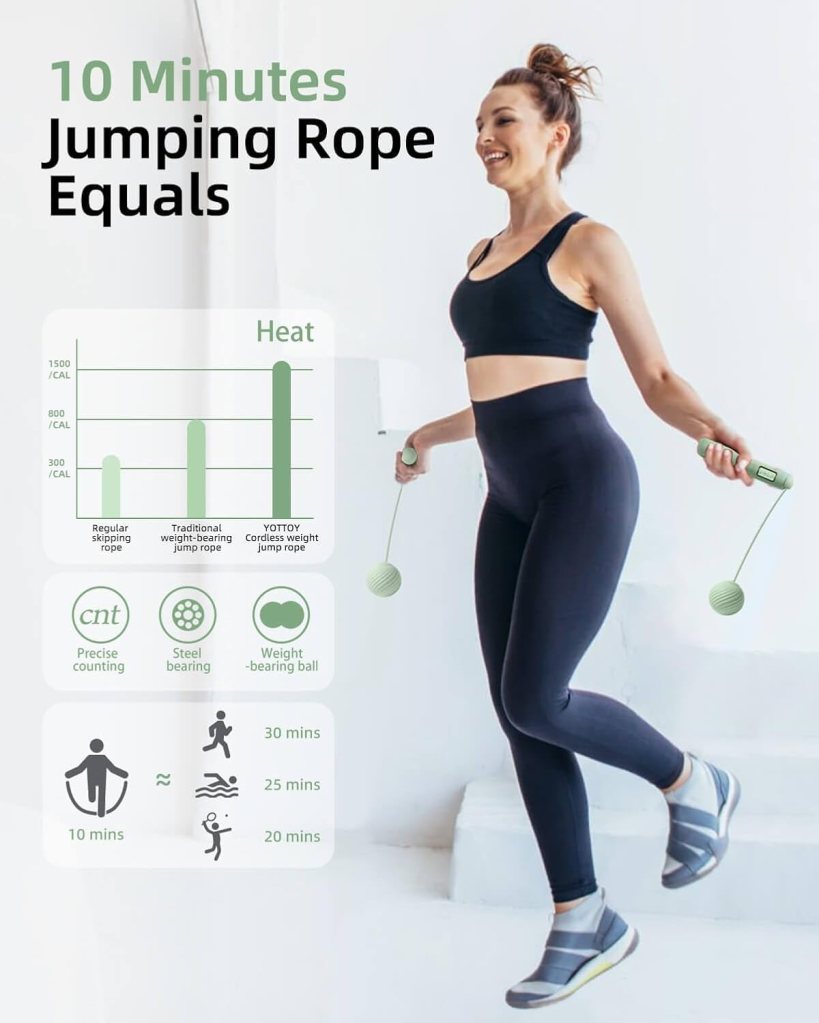
I am jumping rope again … It increases our heart rate, burns additional calories, improves coordination and balance, keeps our bones strong due to impact and it is fun and easy to do.

When jumping the rope, it is highly recommended to rest intermittently. For instance, I may want to jump for 60-90 seconds, rest for 30-60 seconds then repeat the sequence ten times. Start slow. Be gentle and kind as you build up the exercise routine.

Other recommendations include strength training, weight training, and squads. The suggested dosage for daily calcium intake is 800 mg. Magnesium, Vitamin D, Vitamin K2 are highly recommended supplements to consider. Eat enough protein and ensure water intake has minerals. Decrease daily amount of stress and correct cellular inflammation.

Consult with your doctor if you are having orthopedic issues.

(Note, this is health information, not health advice)