Use an Excel Spreadsheet

My husband is a guru when it comes to creating an excel spreadsheet in the field of accounting. Most importantly, he tracks his health journey in a detailed excel spreadsheet. I have always been impressed by his color-coded, health history in an excel spreadsheet. When hubby visits a new medical specialist, he prints his medical history in a colorful way and there he goes!

Since I have been tracking my health history closely in the past six months and learning quite a bit about autoimmunity in Masterclasses and Web courses. I finally decided to create an excel spreadsheet, a “comparison analysis” of bloodwork results.

Where was I when I started this journey? Where am I today?

I thank God for encouraging my heart to follow my hubby’s footsteps by using an excel spreadsheet. The first comparison I looked for was the two Hashimoto markers.

I was quite excited about the thyroid peroxidase (Hashimoto marker) dropping 36 points. I remember saying to myself, “I’m doing something right and it is paying off” (e.g., no gluten, no soy, no dairy, no corn and no grains in my daily meals.) However, I soon realized that the thyroglobulin antibodies had increased two points! I was truly concerned and made a mental note of it so I could ask the medical provider in my next consult.

At the end of January 2025, I had my usual 15 minutes, medical consultation with a new nurse practitioner who is competent and knowledgeable, yet she was obviously in a rushed to be in her next consult. When I brought the issue to her attention, she took the time to review previous bloodwork and immediately recommended an ultrasound. I figure it would be a good idea since Hashimoto destroys the thyroid overtime. So, I went ahead and quickly made the appointment so I could get the baseline data.

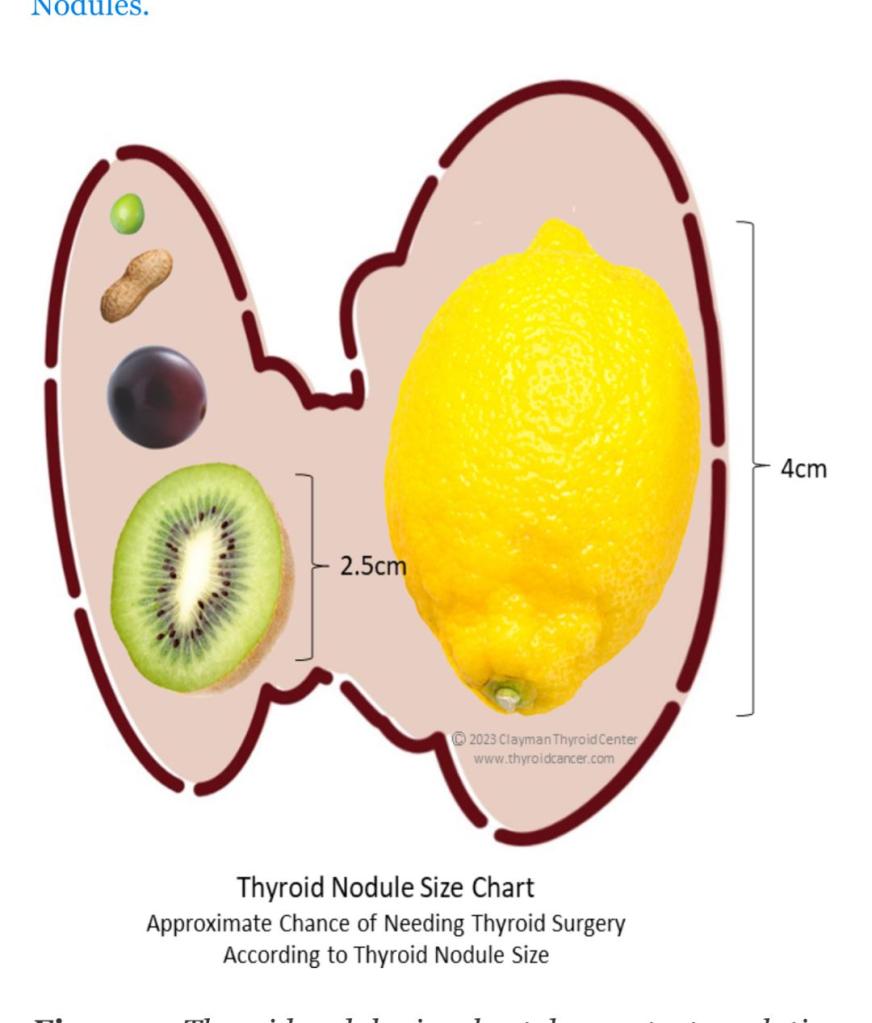
To my surprise, two days later the nurse practitioner called and left a message. She encouraged me to consult with an endocrinologist since there was a nodule greater than 2 cm on the right side of my thyroid.

The exact size of my nodule is 2.8X2.5X2.5.
I am very thankful for keeping track of my health journey in an excel spreadsheet today!
Twelve Markers on a Thyroid Panel

I was hearing a podcast a couple of weeks ago and learned more about the twelve markers on a thyroid panel. There are more than twenty-two types of dysfunctions of the thyroid when a thyroid panel is done.

These markers are the following:

a) TSH,

b) Total T4,

c) Total T3,

d) Free 4,

e) Free 3,

f) T3 uptake,

g) Free Thyroxine Index (FTI),

h) Thyroid-Binding Globulin,

i)TPO antibodies,

j) Thyroid Globulin antibodies,

k) Reverse T3, and

l) Thyroid Stimulating Immunoglobulin.

When I was diagnosed with Hashimoto condition, the functional medicine provider had requested the TSH, T3, T4, TPO antibodies and the Thyroid Globulin antibodies. If I’m not mistaken, the Hashimoto’s markers are both the TPO antibodies and the thyroid globulin antibodies.

It is my understanding that a great deal of people may be diagnosed with hypothyroism but traditional doctors may or may not test for Hashimoto condition.

Since our thyroid is being attacked and possibly getting destroyed by our own immune system, we definitely need to explore the triggers, the root, driving the Hashimoto condition. Exploring the triggers take time, intention and focus. For instance, I had a couple of flare-ups this past week… digestive issues (e.g., bloating, irritable bowel distress) to allergies (e.g., food sensitivities perhaps).

I plan on requesting a ‘Food Sensitivity Test’ in my next medical consultation.

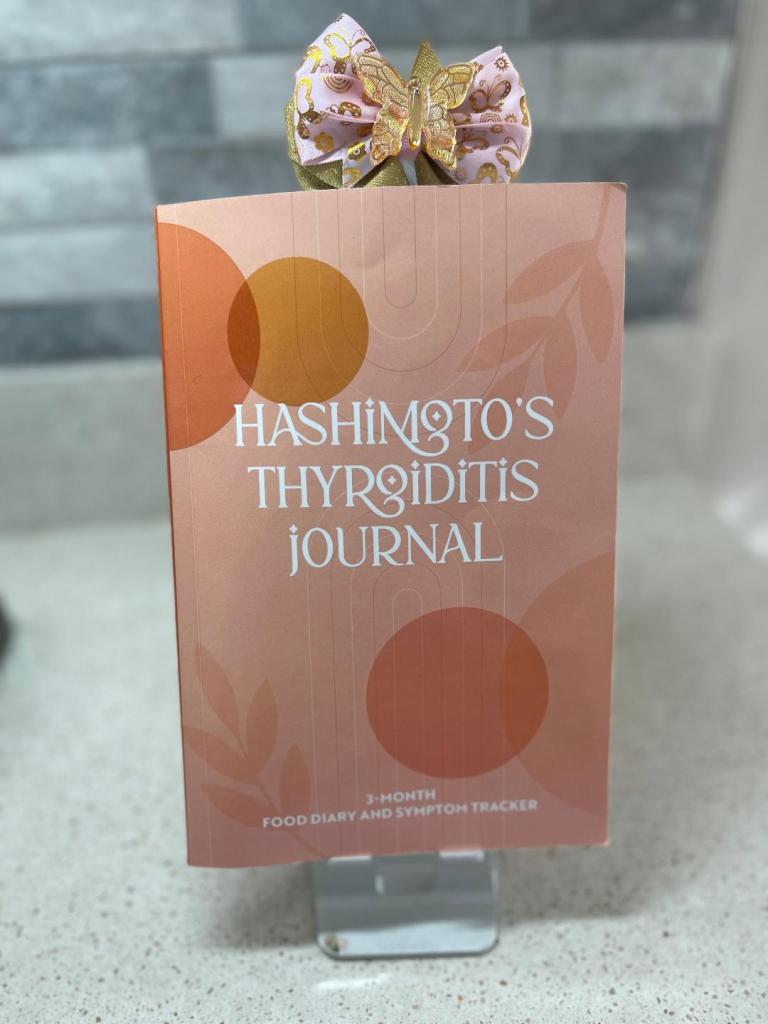
Keep a journal! Write everything down.

(Note, this is health information, not health advice)

Not Ready 2 Quit

Since I’m not ready to quit drinking coffee, I searched for alternative products and reduced the amount of coffee each day. I used to drink a total of 24 oz. a day (12 oz. in the mornings and 12 oz. in the afternoons). I am now drinking 16 oz or less. My next goal is to drink coffee in the mornings (8 oz. or less) and skip the afternoon break.

New habits take intention, commitment, focus, and time.

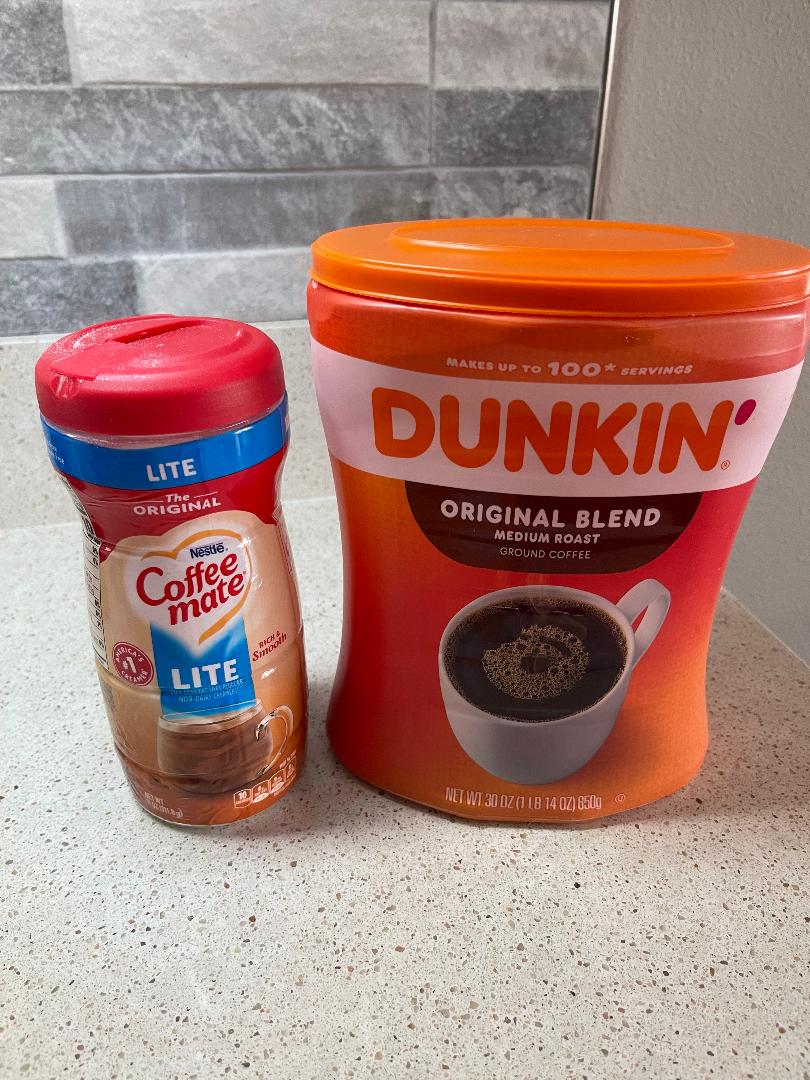
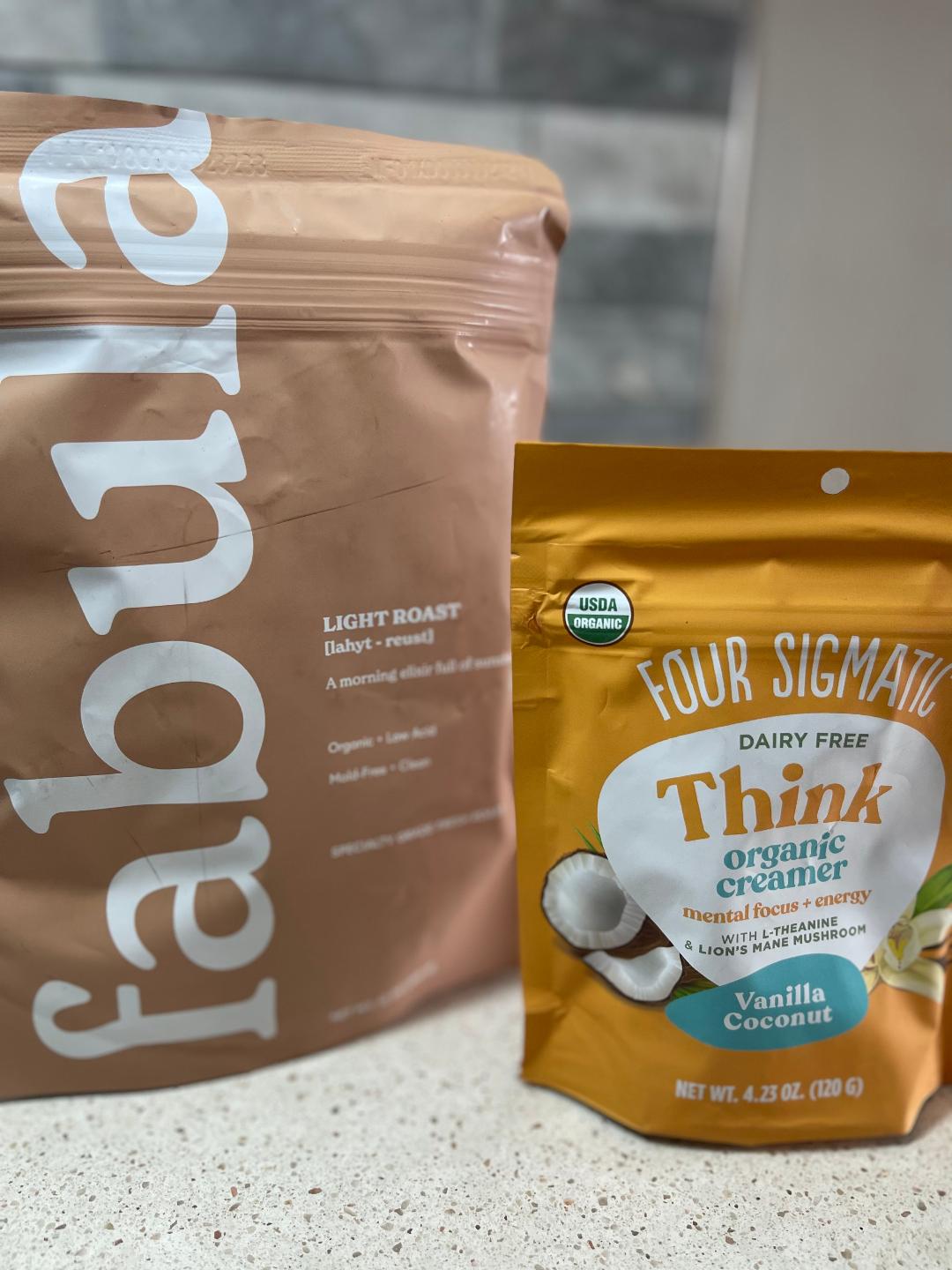
I no longer drink the original blend from Dunkin’ yet I am still keeping the Lite Coffee mate. Honestly, I did not enjoy the taste of the organic creamer. I would encourage y’all to try new products and assess what works best for you.

The Fabula Coffee, light roast, freshly ground is organic. It has low acid, is non-GMO, does not contain any chemicals, and it is mold free (less toxins for our bodies). It is perfect for coffee lovers who have an autoimmune condition.

I recently learned the negative impact of coffee among patients with Hashimoto Thyroiditis. It may interfere with the absorption of thyroid medication (e.g., Levothyroxine). Coffee also has an impact on our heart rate, metabolism, wakefulness, and adrenal gland.

Did you know coffee disrupts the regular rhythms of cortisol? Personally, I need to decrease the amount of coffee so I can address the adrenal gland fatigue in Hashimoto Thyroiditis. I know I have been under chronic stress for way too long due to career pursuits, most recent relocation and other psychosocial stressors. Drinking coffee will trigger the ‘fight or flight’ response in our bodies leading to higher levels of cortisol release. The cortisol release will then contribute to adrenal gland fatigue. It is definitely a vicious cycle in my opinion!

It is time to reduce the level of stress and the amount of coffee I drink

so, the adrenal gland can get quality ‘rest’ and maintain regular rhythms of cortisol.

New Rhythms in Baking

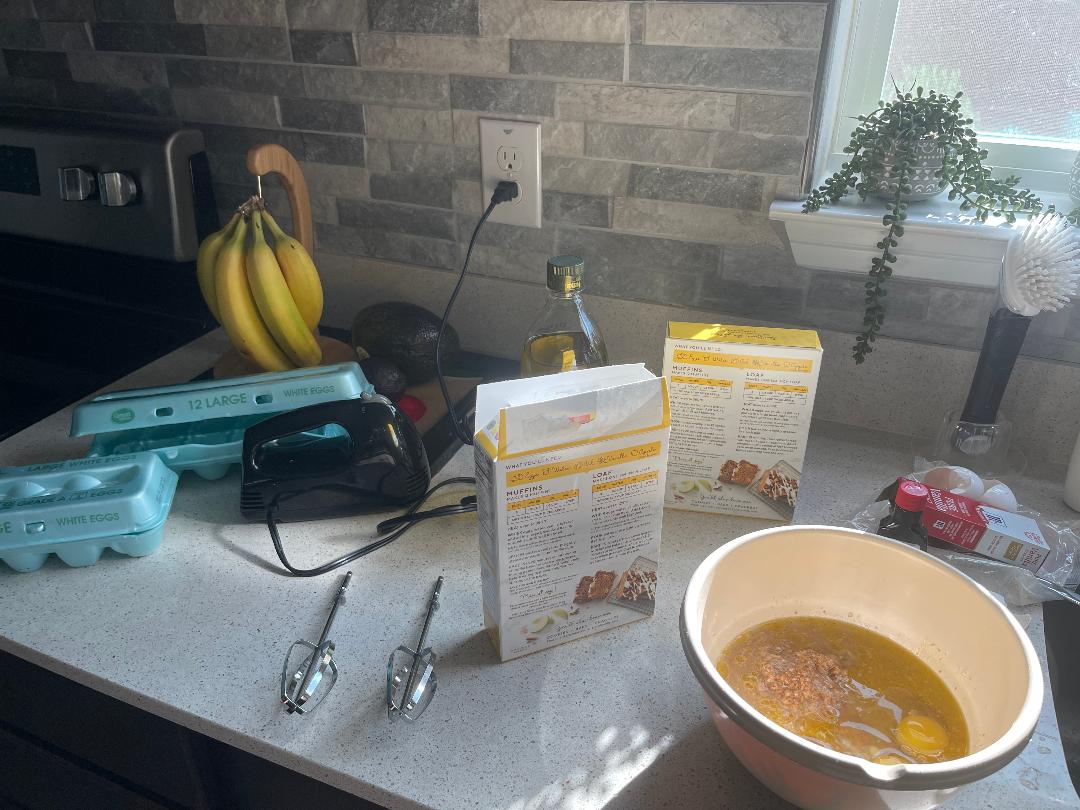
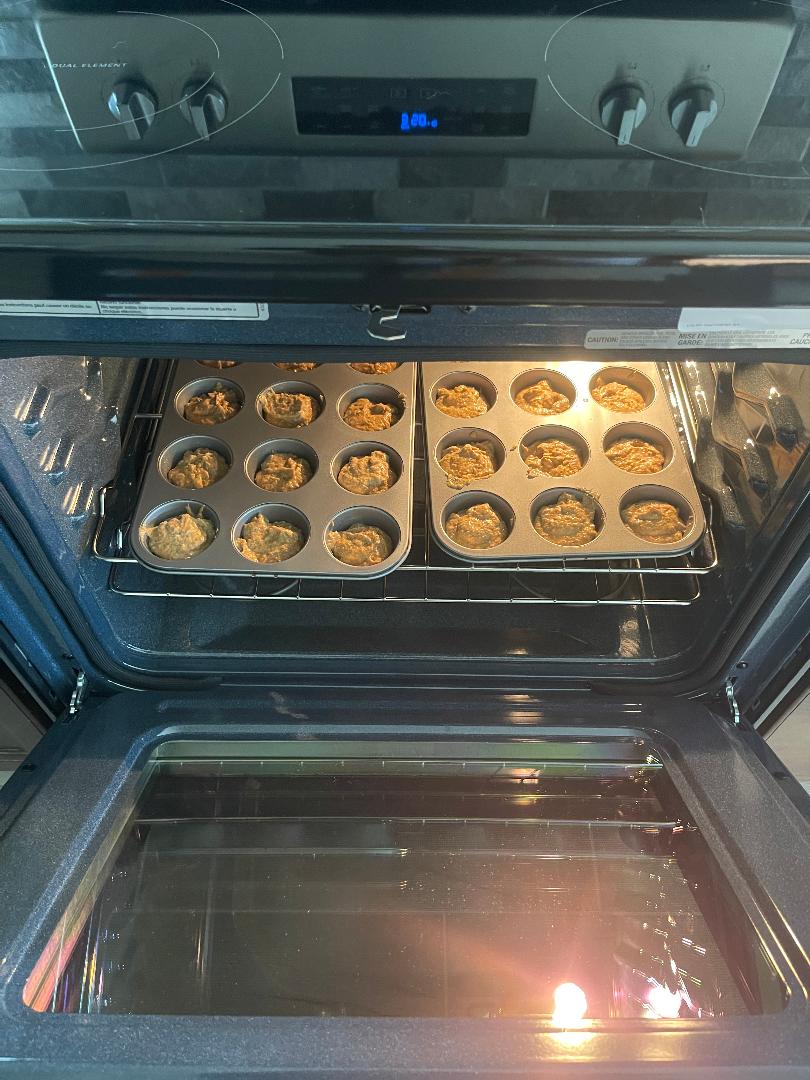
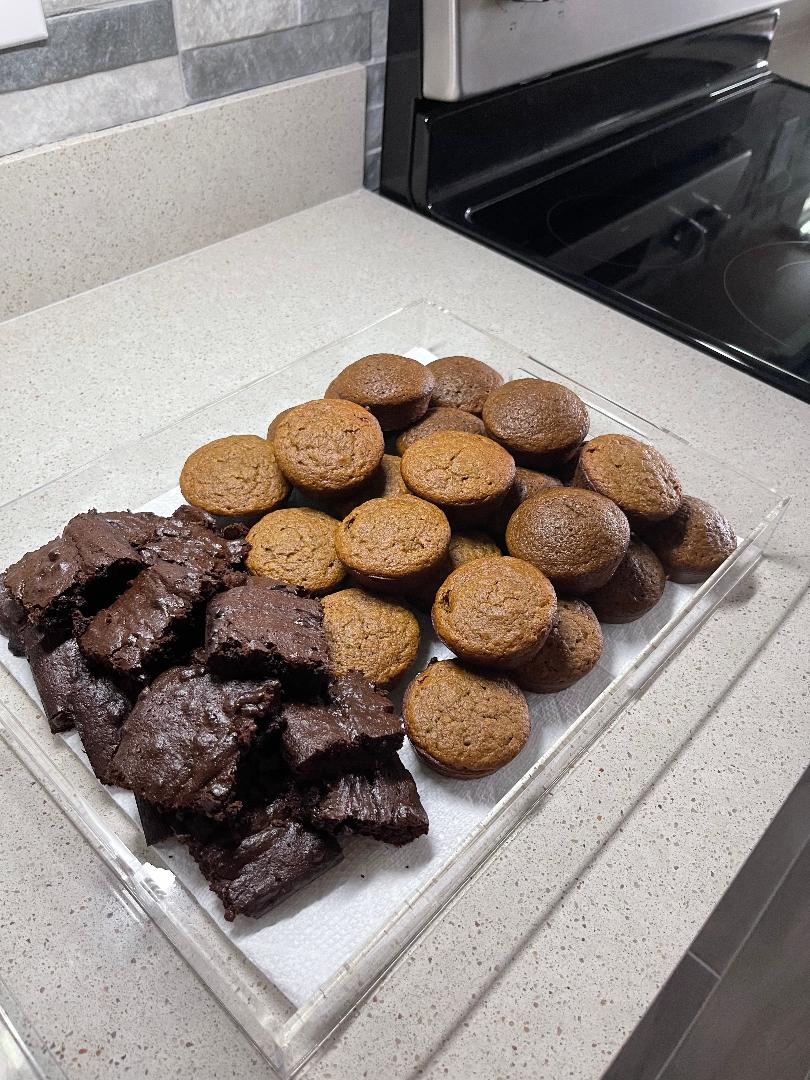
I don’t like to cook, but I love to bake muffins!

Prior to the medical diagnoses, I used to eat peanut butter crackers every morning. Yes, it was easy, convenient and did not have to open the refrigerator to pull out any ingredients. I did not spend much time in the kitchen either. When we have fast-paced lifestyles, we tend to grab the first thing we like and move on to the next task in our ‘to do’ list.

Cooking and baking ‘gluten-free’ recipes take time. We have to be intentional in choosing tasty recipes, shopping for selected ingredients and investing time in preparing and baking.

Healthy meals or bakery goods take time.

It is an investment.

Good health is priceless.

I knew I needed to maintain a low carbohydrates diet. I also knew the changes in lifestyle needed to be practical, tasty and sustainable.

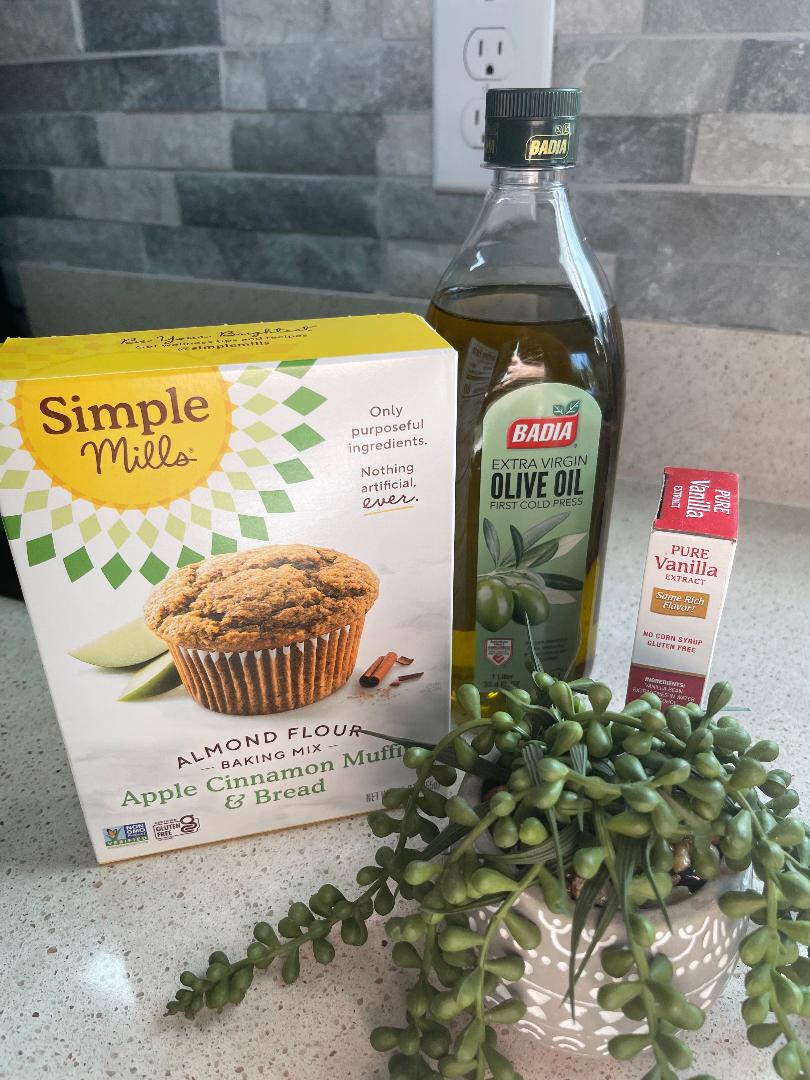
I love muffins so I quickly searched Amazon for ‘gluten-free’ products. I quickly was able to replace the peanut butter crackers with Apple Cinnamon, the Pumpkin or the Banana Muffins by Simple Mills. These products are gluten-free, plant-based, grain free, corn free, dairy free, gums/emulsifiers free, and paleo friendly.

The banana muffin has 3 grams of total fat, 15 grams of carbohydrates, and 2 grams of protein. Each muffin only has 80 or 90 calories.

Just arrived today! I cannot wait to use it this weekend.

Hopefully, I won’t encounter any food sensitivities with these products in the future!

A Mosaic Lamp

In my ‘two-months-versary’ after the formal diagnosis, I was no longer experiencing brain fog, debilitating physical pain or lack of energy by mid-afternoon. I knew all the research I had completed, and the new healthy rhythms I was implementing were having a significant impact on my overall health.

I had enough energy to attend Church in the morning, enjoyed a healthy meal for lunch, made my first mosaic lamp in less than three hours, joined a virtual discipleship group for another hour in the evening, then watched a movie with my husband. Yes, I was a bit tired, but I was able to carry out all types of activities on a restful Sunday and remained joyful throughout the day.

I cannot wait to share with you what I am learning every day. This is the reason I decided to blog on a regular basis, so other women could benefit from practical strategies that is making a difference in my life.

Healthy Rhythms of Hashimoto Living make a difference in one’s life!

My last memory of debilitating Hashimoto Thyroiditis…

I remember having intense muscle and joint pains in July 2024 at sunrise. My body would be ‘stiff’ and could hardly move in the mornings. I even wondered if I was going to die prematurely!

I was so miserable.

My health was rapidly deteriorating. It was quite challenging, indeed. I would drink coffee often during the day just to remain awake for all Telehealth appointments. By 2 pm, I would crash on our living room couch with no energy. The brain fog, digestive issues, adrenal gland fatigue, anxiety, hair loss and weight gain were just few of the symptoms I experienced prior to the official medical diagnosis. I knew I was working 7 days/week,12 hours. shift so I thought it was stress related.

It never crossed my mind I was going to start learning Japanese (a foreign language) when I heard the official medical diagnoses of Hashimoto Thyroiditis condition.

Some practitioners may address it from a disease model. I prefer to view it as a medical condition that can remain stable with minimal flare-ups or symptoms if we can find out the root of the problem.

Tracking Symptoms is Priceless

Hashimoto is an autoimmune, symptom-based, disease in which the thyroid is gradually attacked then destroyed by our own immune system. The immune system goes ‘rogue’. The disease affects multiple areas, and different symptoms are manifested throughout the day including the following: Gut related issues (e.g., heartburn, indigestion, nausea), weight gain, hair loss, brittle nails, dry skin, low libido, adrenal gland fatigue, brain fog, puffy face, cold intolerance, heart palpitations, vitamin deficiencies (e.g., Vitamin D), constipation, depression and/or anxiety, general pains and/or muscle weakness.

I was told if I have one autoimmune condition, my immune system is vulnerable to other autoimmune condition(s).

Yikes! my blood work was elevated for rheumatoid arthritis early in 2024. I do not want to even explore further about this potential issue at this time. I’m already overwhelmed learning Japanese with Hashimoto (lol).

The journaling process is priceless. Because of journaling, I realized I was taking too much Selenium each day.

I had asked the medical provider if I could take a 200 mcg. per capsule of Selenium with the three Brazil nuts (68-91 mcg per nut), she had suggested. She did not oppose to it. A couple of weeks later, I realized I was taking the capsule plus the three nuts and did the math. It was close to 500-600 mg. per day. I was taking more than the recommended dosage. I had reached toxic levels!

Thank goodness I quickly noticed what I was doing. I quit taking the capsule of Selenium and dropped the amount of Brazil nuts to two per day.

When journaling, I am able to notice patterns, symptoms flare-ups, supplements intake, the highs & lows of Hashimoto living and so much more.

I highly recommend for you to begin journaling today. Tracking is part of being intentional about our wellness.

“By the way”

“… You have Hashimoto Thyroiditis, and you are straining your pancreas” the physician assistant (P.A) commented on Friday, September 06, 2024, while reviewing my first blood work at the local, functional medicine provider. She then proceeded to outline her recommendations while I sat in the examining room perplexed and silent.

Initial recommendations included low carbohydrate diet, Omega 3 ‘extra strength’ and 3 Brazil nuts a day (a source of selenium).

I did not have any idea what to ask much less how to react!

I do remember asking myself, ‘what do I need to do so I no longer strain my pancreas? Yikes, I don’t want to mess around with the pancreas!’

A new health journey just began … I immediately began the research!

I want to encourage women to do research about new medical diagnosis.

Be empowered by information and focus on your wellness. A 15-20 minute consultation every 3 or 6 months is not enough time for us to gather enough recommendations.

We are born to heal.

In the last two months, I have made so many environmental changes in my lifestyle to promote wellness… I’ve seen significant progress along the way.

The brain fog, joint and muscle stiffness or pain, sleeping disturbance have significantly improved by just making environmental modifications (e.g., diet, movement, sleep hygiene practices).

The search for healthy rhythms of ‘Hashimoto living’ slowly evolved.